


1 min read
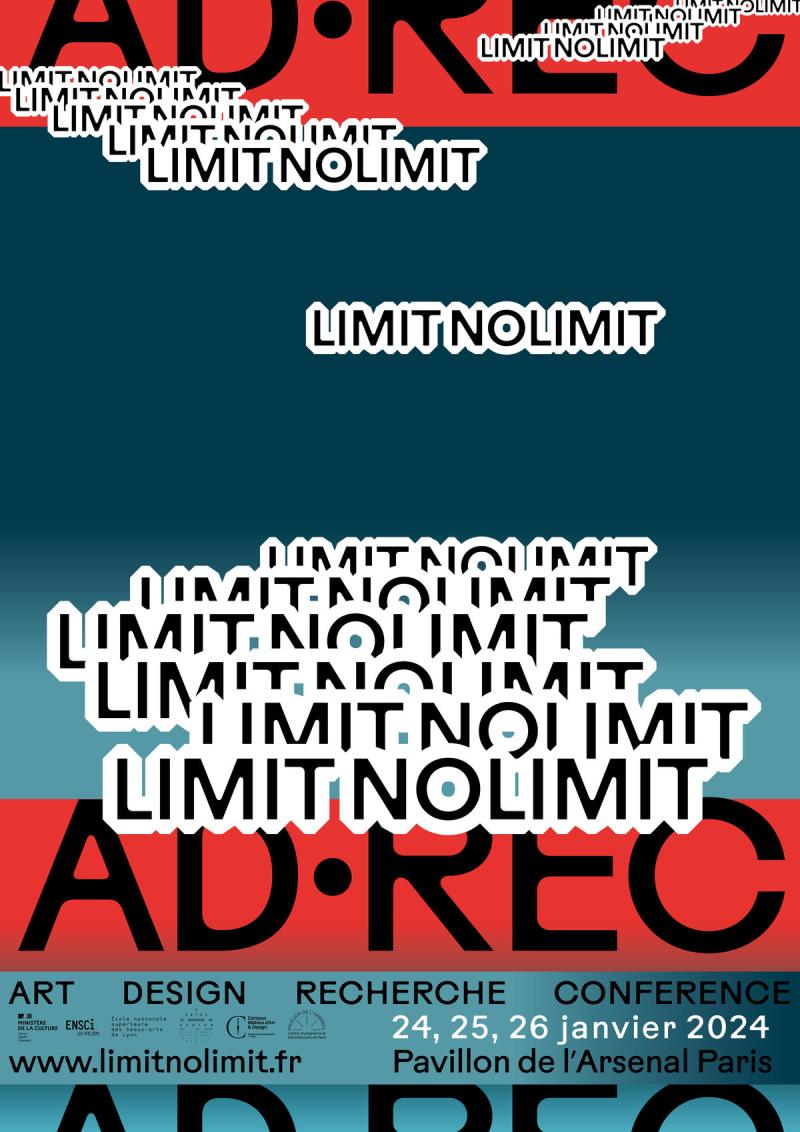
Participation in the International Conference ‘Limit / No Limit’ — ART DESIGN Research
READ POST
SHARE:
6 January 2024
In January 2024, I had the opportunity to participate in the international conference “Limit / No Limit,” organized as part of the ART DESIGN Recherche conference in Paris. This event brought together researchers, designers and practitioners around the contemporary challenges of creation, innovation and limits — technical, cultural, cognitive — in design.
In this context, I presented a scientific paper dedicated to the fundamental role of psychology in the design processes of physical objects.
Psychology as the Structure of Design
The work presented is part of a broader reflection on the invisible foundations of industrial design. Beyond formal, technical or economic aspects, it interrogates the cognitive, perceptual and emotional mechanisms that orient how objects are designed, perceived and appropriated.
The paper analyzes in particular: the role of human perception in reading forms; cognitive and emotional processes in the construction of object meaning; how design decisions operate at the level of unconscious perception; and the relationship between material properties and emotional responses in users.
Why Psychology in Industrial Design?
Industrial design is often presented as a discipline at the intersection of engineering and aesthetics. This description is incomplete. It omits the psychological dimension — the way objects act on the people who use them, who see them, who inhabit spaces where they are present.
An object that triggers a sense of safety is not identical to an object that triggers anxiety, even if they are formally similar. An object that conveys expertise is not identical to one that conveys fragility, even if they serve the same function. These differences are not aesthetic. They are structural — inscribed in the proportions, textures, colors and spatial relationships of the object.
Understanding these mechanisms allows designers to make more precise decisions — not more manipulative ones, but more honest: designing objects that do what they claim to do, in both the functional and symbolic registers.
Scientific paper presented at the International Conference “Limit / No Limit” — ART DESIGN Recherche, Paris, January 2024.
Related Posts
NEWSLETTER SUBSCRIBE
Stay ahead with our web updates
Avalanche powers a global community of builders creating real use cases for real impact.